Source Green Plant Support Net for Agriculture, Gardening, and Farming
Find 30 listings for green plant support net designed for agricultural, gardening, and farming applications. Buyers can compare specifications such as material, weight, and customization options from verified suppliers in China.
Key considerations
Products List






Comprehensive Sourcing Guide
Strategic Sourcing Guide for Green Plant Support Nets
Understanding Product Specifications and Material Composition
When sourcing green plant support nets, buyers must first distinguish between the various material compositions and structural designs available in the global market. The core product category is defined as a plastic net specifically engineered for plant support and protection. The primary materials observed in this sector include Polyethylene (PE) and Polypropylene (PP), each offering distinct mechanical properties suitable for different agricultural environments. PE-based nets are frequently cited for their flexibility and resistance to environmental stressors, while PP variants are often selected for their specific tensile strength requirements.
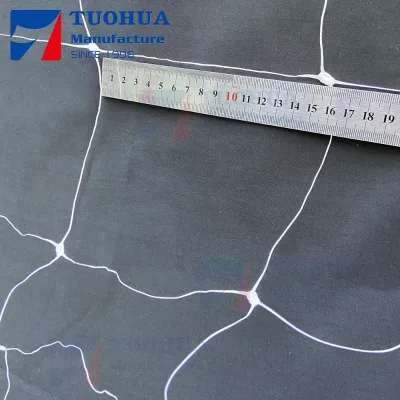
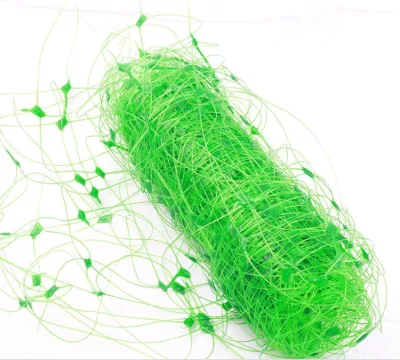
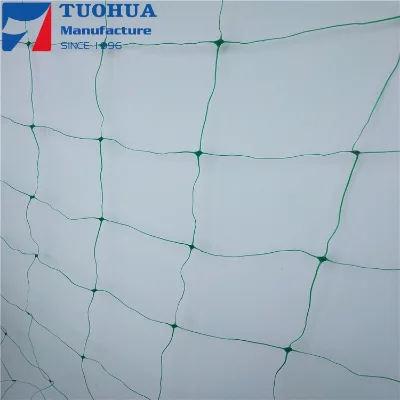
The physical structure of these nets is a critical determinant of their performance. The product type is generally categorized as a plastic net, with specific manufacturing methods including extruded and tied belay techniques. The hole shape is predominantly square, a design choice that facilitates the climbing mechanism of various vine crops. Dimensions vary significantly based on the specific application and supplier capabilities. Observed specifications include widths of 1 meter, 1.7 meters, and fully customizable options. Lengths typically range from 25 meters to 30 meters per roll, with standard configurations often listed as 4x100m, 2x100m, or 4x50m, though these figures should be verified against current supplier catalogs.
Weight is another essential specification that influences both the cost and the durability of the net. The grammage for these products can range from 8 grams per square meter to 10 grams per square meter, with some variations noted as 8g/10g. This weight specification directly correlates to the net's ability to withstand wind loads and the weight of the growing crops. Buyers should verify the exact weight per square meter to ensure the net is robust enough for their specific crop load, as under-specifying can lead to premature failure during the growing season.
Technical Performance and Environmental Resistance
The operational longevity of a green plant support net is heavily dependent on its resistance to environmental factors. High-performance nets in this category are engineered to withstand a wide spectrum of chemical and physical stresses. Key performance attributes include resistance to ventilation requirements, ensuring adequate airflow to prevent fungal growth on crops. Furthermore, these nets are designed to be corrosion-resistant, a vital trait for agricultural settings where fertilizers and moisture are prevalent.
Thermal stability is a major consideration for year-round cultivation. The nets must exhibit high-temperature resistance to endure summer sun exposure without degrading, as well as low-temperature resistance to maintain structural integrity during winter or in cooler climates. Chemical resistance is equally critical; the materials must be alkali-resistant and acid-resistant to survive contact with various agricultural chemicals and soil conditions. The color of the net, typically green, white, or black, is not merely aesthetic. Green nets are often preferred for their ability to blend with foliage, while black or white options may be selected for specific light reflection or heat absorption properties.
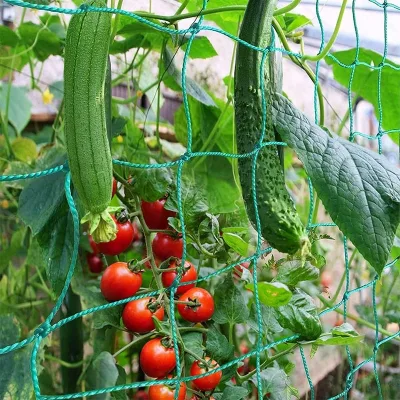
The usage classification for these products extends beyond simple support. They function as protective nets, shielding delicate plants from pests and harsh weather. Some specifications indicate the net is specifically designed to support a variety of climbing plants, including cucumbers, which require a specific mesh density and strength. The product model numbers, such as SN-W002, PS-W001, or KDNT007, often correspond to these specific performance profiles, though the exact mapping of model to performance should be confirmed with the supplier.
Compliance, Certification, and Quality Standards
Navigating the compliance landscape for agricultural plastics requires careful verification of certifications and standards. While specific certification statuses like CE and ISO are mentioned in certain product listings, buyers must treat these as observations of specific items rather than universal guarantees for all green plant support nets. The presence of CE or ISO markings indicates that a specific batch or model has undergone relevant testing, but this status is not automatically applicable to every supplier or product variant.
The production standards for these nets often align with OEM (Original Equipment Manufacturer) specifications. This means that the quality control processes are tailored to the buyer's requirements rather than a single rigid industry standard. The standard for packing and delivery can vary, with some products adhering to a weight standard of 8g/10g or specific packing configurations like 50 pieces per carton. It is imperative for buyers to request proof of certification for the specific lot they intend to purchase, rather than relying on general claims.
Furthermore, the origin of the product plays a role in compliance. Many of these nets originate from regions such as Anhui, China, or other manufacturing hubs. Buyers should verify that the production facilities adhere to local and international environmental regulations regarding plastic manufacturing. The "Frame Finishing" attribute, noted as "Not Coated" in some contexts, suggests that the material is used in its raw extruded form, which may impact its UV resistance and longevity. Buyers should explicitly ask about UV stabilization treatments if the net is intended for prolonged outdoor exposure, as uncoated nets may degrade faster under direct sunlight.
Cost Drivers and Pricing Structures
The pricing of green plant support nets is influenced by a complex interplay of material costs, manufacturing complexity, and order volume. The observed price range in the market spans from $0.01 to $5,000, reflecting the vast difference between small sample orders and bulk industrial procurement. This wide range indicates that unit pricing is highly dependent on the scale of the transaction and the specific customization required.
Material costs are a primary driver, with the choice between PE and PP significantly affecting the base price. Additionally, the weight of the net, measured in grams per square meter, is a direct cost factor; heavier nets require more raw material and thus command a higher price. Customization is another significant cost variable. While standard products may be available at lower price points, requests for specific widths, lengths, colors, or hole sizes often incur additional tooling or setup fees.
The Minimum Order Quantity (MOQ) also plays a crucial role in the final cost per unit. The observed MOQ range is extensive, spanning from 1 unit to 100,000 units. Buyers ordering near the lower end of this spectrum will likely face higher per-unit costs due to the fixed costs of production runs and logistics. Conversely, bulk orders can leverage economies of scale to reduce the unit price. Payment terms, typically structured as TT (Telegraphic Transfer) or LC (Letter of Credit), can also influence the financial dynamics of the deal, with LC terms often involving bank fees that add to the overall procurement cost.
Typical Applications and Usage Scenarios
Green plant support nets are versatile tools used across various agricultural and horticultural sectors. The primary application is for supporting climbing plants, ensuring they grow vertically and efficiently. This is particularly important for crops like cucumbers, tomatoes, and beans, which rely on a trellis system to maximize yield and reduce disease. The net's square hole shape and specific tensile strength are optimized to hold the weight of these crops as they mature.
Beyond simple support, these nets serve as protective barriers. They can be used to shield crops from birds, insects, and harsh weather conditions such as hail or heavy rain. The ventilation properties of the net ensure that air circulation is maintained, reducing the risk of mold and mildew, which are common issues in dense planting environments. The corrosion resistance of the material makes these nets suitable for use in greenhouses where humidity levels are high and chemical treatments are frequent.
In aquaculture settings, the plastic net is sometimes utilized for similar structural support or containment purposes, although the primary focus remains on terrestrial agriculture. The ability to customize the net's dimensions allows for tailored solutions in large-scale commercial farms as well as smaller, specialized greenhouse operations. The color options, including green, white, and black, allow farmers to select nets that best fit their specific crop requirements and aesthetic preferences.
Supplier Evaluation and Procurement Considerations
Selecting a reliable supplier for green plant support nets requires a rigorous evaluation process that goes beyond price comparison. Buyers should prioritize suppliers who offer clear communication regarding their customization capabilities. The availability of OEM services is a strong indicator of a supplier's flexibility and ability to meet specific buyer requirements. It is essential to verify the supplier's production capacity and lead times, which typically range from 20 to 35 days. Delays in production can disrupt planting schedules, making reliable delivery timelines a critical factor in supplier selection.
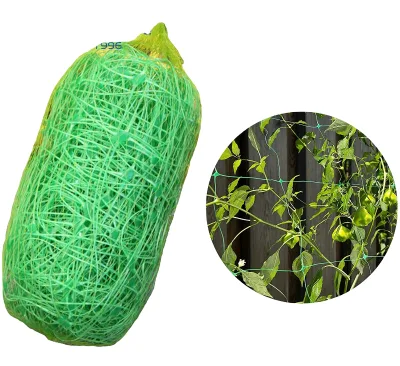
Packaging standards are another area of focus. The method of packing, whether it is "One Roll Into a PE Bag," "One Roll One Plastic Net," or "Carton" with a specific count like 50 pieces per carton, affects the logistics and storage of the product. Proper packaging ensures that the nets arrive without damage or tangling, which can significantly impact installation efficiency. Buyers should also inquire about the supplier's quality control processes to ensure consistency across batches.
Geographic location is a factor in logistics and lead times. Many suppliers are based in China, with specific manufacturing hubs in regions like Anhui. Understanding the shipping routes and potential transit times from these locations is vital for supply chain planning. Additionally, buyers should assess the supplier's responsiveness to technical queries and their willingness to provide samples for testing. A supplier that is transparent about their product specifications, including material composition and performance limits, is more likely to be a reliable long-term partner.
Long-Term Procurement and Quality Assurance
Establishing a long-term procurement strategy for green plant support nets involves focusing on consistency and quality assurance. Buyers should implement a system for regular quality checks, verifying that the material composition, weight, and dimensions remain consistent with the initial order specifications. Given the variability in observed product models and standards, maintaining a clear record of the exact specifications for each batch is essential for troubleshooting any performance issues.
The long-term durability of the net is a key consideration for total cost of ownership. While the initial purchase price is important, the lifespan of the net in the field determines the overall value. Buyers should prioritize nets with proven resistance to UV degradation, temperature extremes, and chemical exposure. Regular monitoring of the nets during the growing season can help identify early signs of wear or failure, allowing for timely replacement and minimizing crop loss.
Finally, maintaining a strong relationship with the supplier is crucial for long-term success. Open communication regarding performance feedback and future needs can lead to product improvements and better pricing structures. Buyers should also stay informed about industry trends and technological advancements in agricultural netting to ensure they are always utilizing the most effective and efficient solutions available. By combining technical diligence with strategic supplier management, buyers can secure a reliable supply of green plant support nets that meet their agricultural demands.
FAQs
What materials are used for green plant support nets?
These nets are primarily made from Polyethylene (PE) or Polypropylene (PP) plastic. The material choice depends on specific flexibility and tensile strength requirements for different agricultural environments.
Which hole shapes are available for climbing plant support?
The standard hole shape is square, designed to facilitate the climbing mechanism of vine crops. Some models also offer customizable hole configurations to suit specific crop needs.
Can these nets resist harsh weather and chemicals?
Yes, high-performance nets are engineered to be corrosion, acid, and alkali resistant. They also withstand high and low temperatures while maintaining ventilation for crop health.
What are the typical weight specifications for these nets?
The grammage typically ranges from 8 grams to 10 grams per square meter. This weight specification directly correlates to the net's ability to withstand wind loads and crop weight.
How long is the delivery time for custom orders?
The standard delivery time ranges from 20 to 35 days. This lead time applies to customized orders and depends on the specific production capacity of the supplier.
What payment terms are commonly accepted by suppliers?
Suppliers typically accept Telegraphic Transfer (TT) or Letter of Credit (LC) payment terms. These terms ensure secure financial transactions for both buyers and manufacturers.